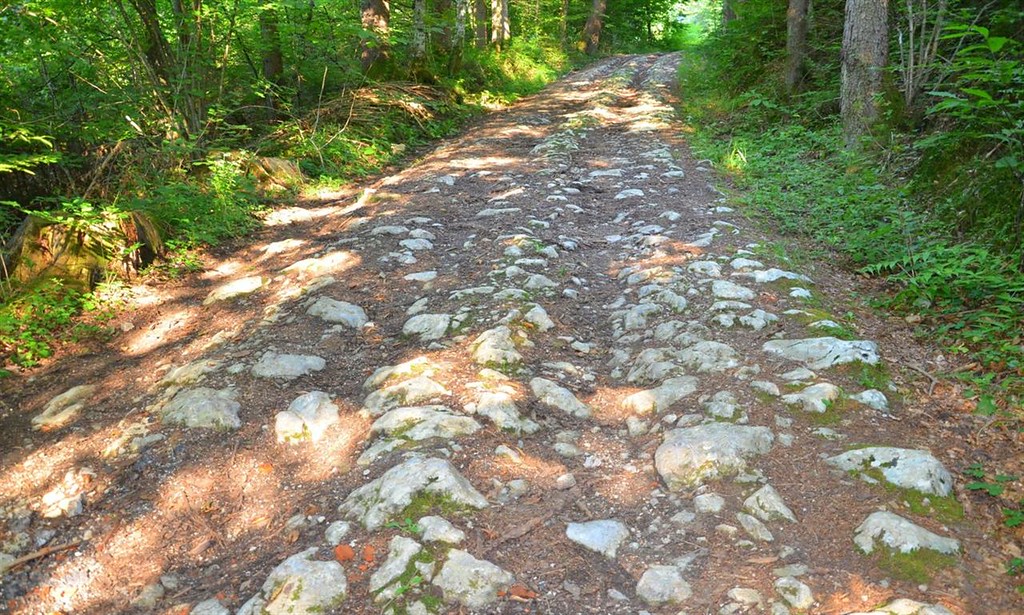
Cesta Roman: The Timeless Legacy of Romaan Roads
Introduction:
When we talk about ancient civilizations that shaped the modern world, Rome always comes up—and for good reason. Among its many contributions, the cesta roman stands out as one of the most practical and influential. These roads were not just simple paths connecting cities; they were the backbone of an empire that stretched across continents.
We often take roads for granted today, but if we look closely, many of the systems we rely on—from highways to logistics networks—owe their roots to the Roman approach. The idea of building strong, reliable roads that connect people, support economies, and strengthen governance started long before modern technology, and the Romans perfected it.
What Exactly Is Cesta Roman?
At its core, cesta roman simply means “Roman road.” But in reality, it represents much more than that. It symbolizes a system—an organized, strategic, and highly efficient network designed to unify an empire.
These roads were carefully planned and constructed using multiple layers of materials like stone, gravel, and sand. They were built to last, often with drainage systems and slightly curved surfaces to prevent water accumulation. This attention to detail is one of the reasons many of these roads have survived for centuries.
The Purpose Behind Roman Roads
The Roman Empire didn’t build roads just for convenience. There was a clear purpose behind every mile of cesta roman.
First, military movement was a top priority. Roman soldiers needed to travel quickly and efficiently across vast territories. Well-built roads ensured that troops could be deployed rapidly, which gave Rome a major advantage in warfare.
Second, trade and commerce flourished because of these roads. Merchants could transport goods safely and more efficiently, connecting distant regions and boosting the economy.
Third, communication improved significantly. Messages, orders, and news could travel faster than ever before. This helped the empire maintain control over its territories.
Engineering Brilliance: How Cesta Roman Was Built
One of the most fascinating aspects of cesta roman is how these roads were constructed. Even without modern machinery, Roman engineers achieved remarkable precision.
The construction process typically involved several layers:
- A solid foundation of large stones
- A middle layer of smaller stones mixed with mortar
- A top layer made of tightly fitted paving stones
This multi-layered design ensured durability and stability. The roads were also slightly raised in the center, allowing water to drain off the sides, preventing damage over time.
What’s impressive is that many of these roads are still visible today, proving that Roman engineering was far ahead of its time.
Straight and Strategic: The Design Philosophy
Roman roads are often known for being incredibly straight. This wasn’t by accident. The Romans believed that the shortest distance between two points was the best route.
While natural obstacles sometimes required adjustments, engineers aimed to keep roads as direct as possible. This reduced travel time and made navigation easier.
Milestones were also placed along the roads to mark distances. These markers helped travelers understand how far they had come and how much further they needed to go.
The Scale of the Network
The cesta roman network was massive. It stretched across Europe, North Africa, and parts of Asia. Thousands of miles of roads connected cities, towns, and military outposts.
This extensive network allowed the Roman Empire to function efficiently despite its size. It created a sense of unity and made governance more manageable.
When we look at modern maps, it’s surprising to see how many current roads still follow the same routes established by the Romans.
Impact on Trade and Economy
Trade is one of the biggest areas where cesta roman made a lasting impact. Before these roads, transporting goods over long distances was slow and risky. But with a reliable road network, trade became faster and more secure.
Merchants could move products like food, textiles, and metals between regions. This not only boosted local economies but also encouraged cultural exchange.
Markets expanded, businesses grew, and the economy became more interconnected. In many ways, cesta roman laid the foundation for modern trade systems.
Military Strength and Control
The Roman military is often considered one of the most powerful in history, and cesta roman played a big role in that.
Quick movement of troops meant that Rome could respond to threats efficiently. Whether it was defending borders or suppressing rebellions, the road network ensured that soldiers could reach their destinations without delay.
This level of mobility gave Rome a strategic advantage over its enemies and helped maintain control over its vast territories.
Cultural Exchange and Connectivity
Beyond trade and military use, cesta roman also encouraged cultural exchange. As people traveled along these roads, they brought with them ideas, traditions, and knowledge.
Different regions became more connected, leading to the spread of language, art, and technology. This exchange enriched the Roman Empire and contributed to its cultural diversity.
We can think of these roads as early versions of today’s global connections, bringing people together in meaningful ways.
Maintenance and Longevity
Building the roads was just the beginning. The Romans also understood the importance of maintenance.
Officials were assigned to oversee the condition of the roads. Repairs were carried out regularly to ensure they remained usable.
This commitment to upkeep is one of the reasons cesta roman has stood the test of time. It shows that sustainability and long-term planning were already part of Roman thinking.
Influence on Modern Infrastructure
If we look at modern infrastructure, the influence of cesta roman is clear. Many principles used by Roman engineers are still applied today.
From layered road construction to drainage systems, the basics haven’t changed much. Even the concept of a centralized road network connecting different regions comes directly from Roman ideas.
Highways, expressways, and even city planning have roots in the strategies developed during the Roman era.
Tourism and Historical Significance
Today, remnants of cesta roman attract tourists and history enthusiasts from around the world. Walking along these ancient paths gives us a glimpse into the past.
These roads are more than just historical artifacts—they are symbols of innovation, resilience, and human achievement.
Visiting them allows us to appreciate the effort and skill that went into building such an extensive network without modern tools.
Lessons We Can Learn from Cesta Roman
There are several lessons we can take from the concept of cesta roman.
First, planning matters. The success of the Roman road network was not accidental. It was the result of careful design and strategic thinking.
Second, quality over shortcuts. The Romans focused on durability, which is why their roads lasted so long.
Third, connectivity is powerful. By linking regions together, the Romans created opportunities for growth, communication, and unity.
These lessons are still relevant today, especially as we continue to develop and improve our own infrastructure.
Cesta Roman in Today’s World
Even in today’s fast-paced, technology-driven world, the idea behind cesta roman remains important. Roads continue to play a crucial role in our daily lives.
From commuting to transporting goods, we rely on well-built roads more than we realize. The Roman approach reminds us that strong foundations lead to long-term success.
It also shows us that innovation doesn’t always mean complexity. Sometimes, simple ideas executed well can have the greatest impact.
Conclusion: A Road That Never Ends
Cesta roman is more than just a term—it’s a legacy. It represents a time when human ingenuity and determination came together to create something truly remarkable.
As we move forward, it’s worth remembering where many of our modern systems began. The Roman roads may be ancient, but their influence is still very much alive.
In a way, every road we travel today carries a piece of that history. And as we continue building the future, the lessons of cesta roman will always guide the way.
Keep an eye for more latest news & updates on Cashstark!